My battle against perfection
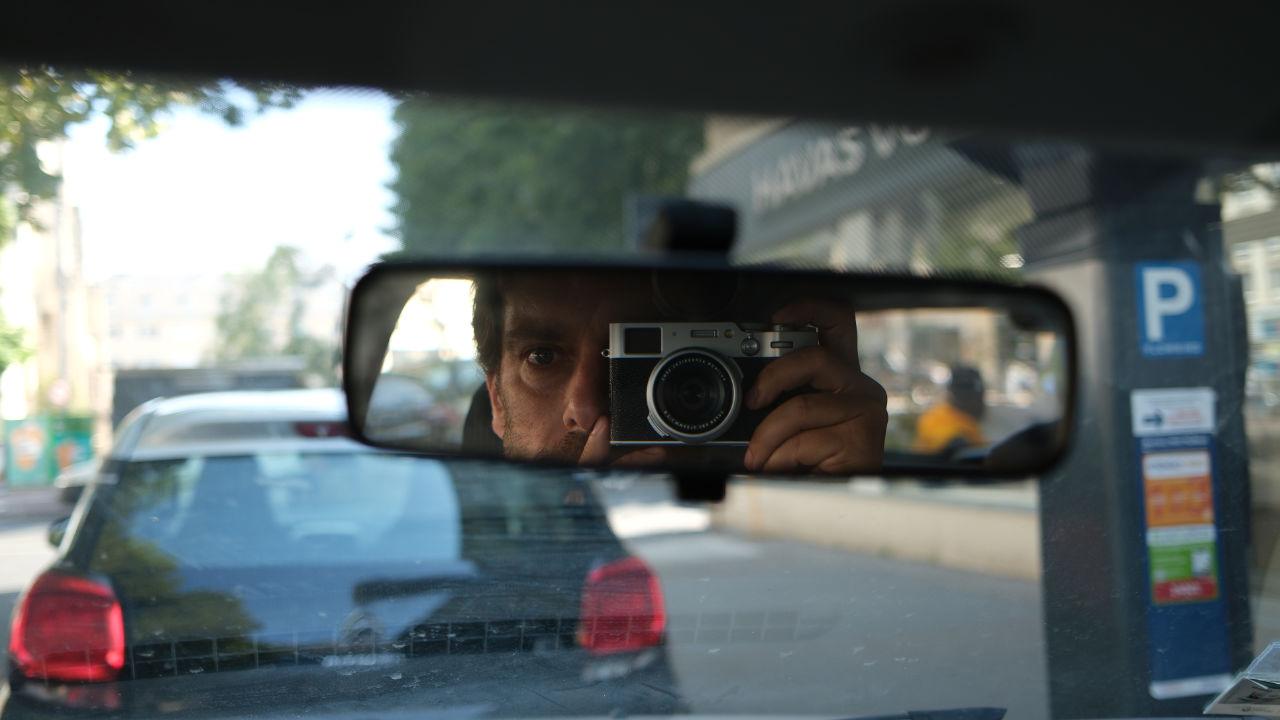
I used to want "the best" whenever I bought equipment.
The best notebook, the best camera, the best instrument.
Technical quality looked like the foundation I would build my practice on. ("A good workman has good tools.")
With the idea that if I didn't go for the best, I'd regret it sooner or later.
"If I make a masterpiece on a poor technical medium, it might never get the career it deserves!"
And technique wasn't only about equipment: it was about mastery too.
No drawing until I'd learned the basics of perspective, anatomy, color theory...
In other words: I was creating for an imaginary audience that would judge the result. On purely technical grounds.
That audience exists, of course.
It's the audience of teachers, judges and critics.
All the people who suffered through technical training for too long to let anyone else off lightly.
But when you create for them, you end up dodging a far more important question:
"Do I like it?"
This line, this story, this image... do I like it?
Can I set technical correctness aside and simply notice whether... I feel something? A pull? A joy?
Once you start building your work around that question, everything changes.
Technique is no longer the foundation. It's a consequence.
Equipment and know-how are no longer painful prerequisites. They're extensions of the gesture.
I learn because I love it. I practice because I enjoy the doing.
Knowing full well that if I share this work, some people will criticize it.
But others will enjoy it.
And those others are my audience.